
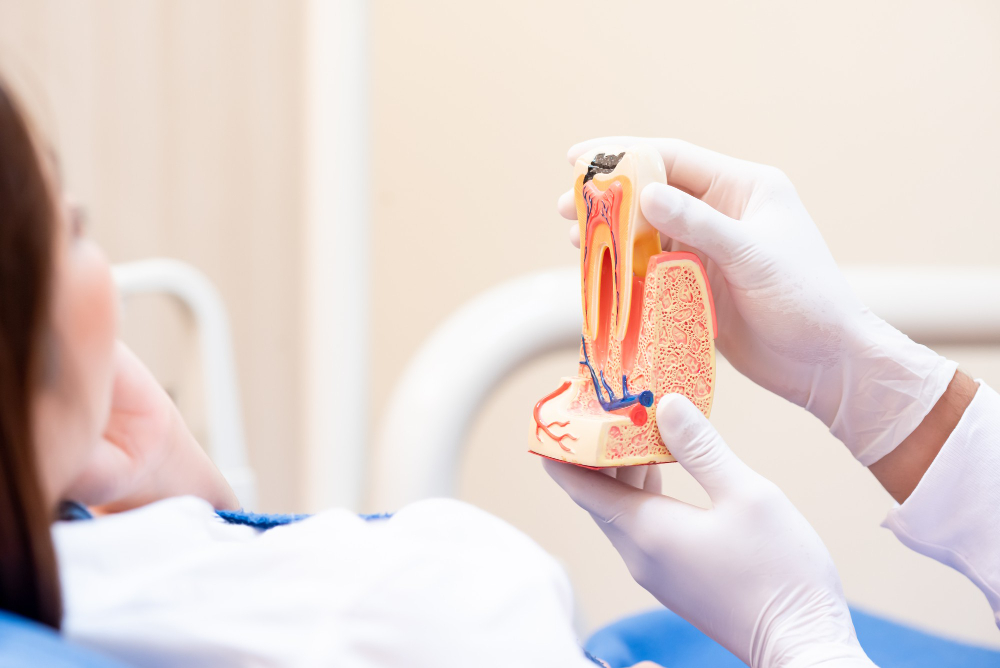
What Is Root Canal Treatment?
Root canal treatment is a dental procedure that saves a tooth with deep damage or infection. Dentists use this treatment to remove infected tissue from inside the tooth. Afterward, they clean, fill, and seal the tooth to stop further problems. Many people worry about root canals, but the process is safe and helps relieve pain. In most cases, root canal treatment can help you keep your natural tooth. According to the American Dental Association, this treatment is common and effective.
Symptoms Indicating a Need for Root Canal
Sometimes, tooth pain can signal a problem inside the tooth. For example, you may notice pain when chewing or biting. Other symptoms can include:
However, not all tooth pain means you need a root canal. Still, if you notice these signs, it is important to see your dentist soon. Early care can help prevent more serious problems.
Causes Leading to Root Canal Treatment
Several causes can lead to the need for a root canal procedure. Most often, deep tooth decay is the main reason. When a cavity reaches the tooth’s center, bacteria can infect the pulp. In addition, a cracked or chipped tooth can let germs enter and cause infection. Sometimes, repeated dental work on a tooth can also harm the pulp. Even a blow to the mouth, without visible cracks, may damage the inside of a tooth. As a result, the pulp becomes inflamed or dies, making root canal treatment necessary.
Diagnosis: How Dentists Identify the Need
First, your dentist will ask about your symptoms and check your mouth. Next, they may tap or press on the tooth to see if it hurts. Dentists often use X-rays to look for infection or damage inside the tooth. X-rays help show if the pulp is infected or if there is bone loss near the root. Sometimes, your dentist may test your tooth’s response to hot or cold. With these steps, dentists can decide if root canal treatment is the best option for you.
The Root Canal Procedure: Step-by-Step
Although the idea of a root canal can sound scary, the actual process is gentle and safe. Here is what usually happens during a root canal procedure:
Most root canal treatments take one or two visits. After the procedure, your tooth should feel much better.
Recovery and Aftercare Tips
After root canal treatment, most people return to normal activities quickly. However, you may feel mild soreness for a few days. To help with recovery, follow these tips:
With proper care, your tooth can last as long as your other teeth. The CDC and dental experts agree that good oral hygiene helps with root canal recovery.
Prevention: How to Avoid Root Canal Treatment
Although root canal treatment is effective, it is better to prevent the need for it. Here are some ways to lower your risk:
Protect your smile with timely root canal care. Schedule your dental consultation with Dr Nischitha N.