
What is Full Mouth Rehabilitation?
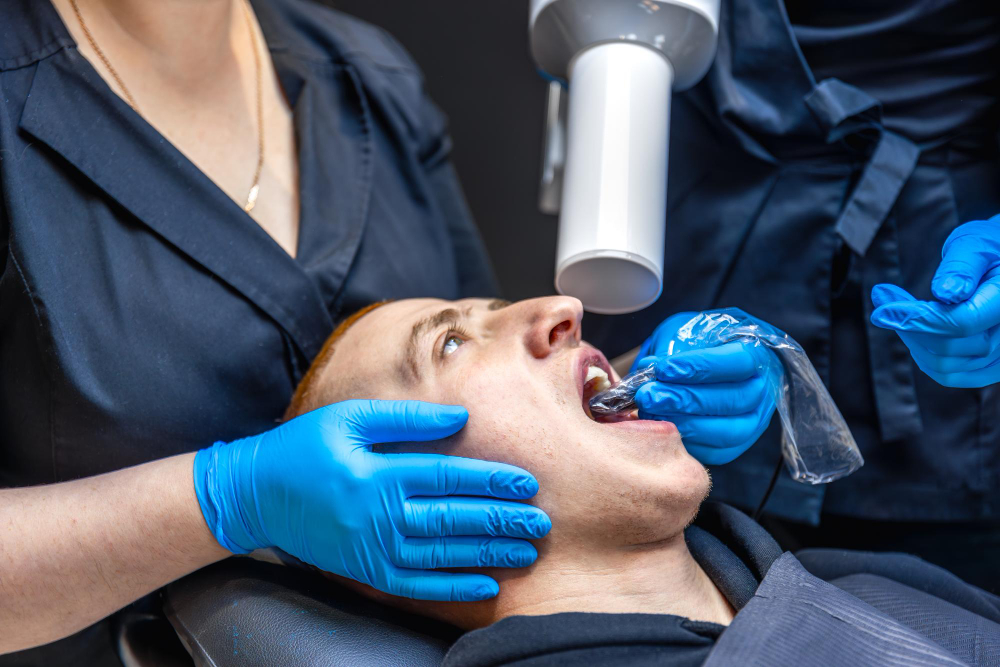
Full mouth rehabilitation is a comprehensive dental treatment that restores your smile and oral health. This approach combines several dental procedures to repair or replace damaged teeth. As a result, it helps people who have lost teeth, have worn teeth, or suffer from multiple dental issues. In many cases, full mouth rehabilitation is also called dental reconstruction or smile restoration. Dentists use this method to improve how your teeth look, feel, and function.
Common Symptoms and Dental Issues Addressed
Many people consider full mouth rehabilitation when they have several dental problems. For example, you might notice pain or trouble chewing. Sometimes, teeth are chipped, cracked, or missing. Other times, gums may bleed or feel swollen. Additionally, some people have teeth that are very worn down from grinding or acid. With full mouth rehabilitation, dentists address issues such as:
Because these problems can affect your daily life, a complete approach is often needed.
Causes and Risk Factors Leading to Full Mouth Rehabilitation
Several causes may lead someone to need full mouth rehabilitation. For instance, tooth decay and gum disease are common reasons. In addition, injuries from accidents or sports can damage teeth. Over time, habits like teeth grinding or clenching can wear teeth down. Sometimes, genetic factors also play a role. According to the Centers for Disease Control and Prevention (CDC), poor oral hygiene increases the risk of dental problems. Other risk factors include:
Because these factors can add up, early dental care is important.
Diagnosis and Assessment Process
Before starting full mouth rehabilitation, dentists perform a thorough assessment. First, they review your medical and dental history. Next, they examine your teeth, gums, and jaw. Dentists may take X-rays or 3D scans to see hidden problems. Sometimes, they make molds of your teeth to plan treatment. During this process, you can discuss your goals and concerns. As a result, the dentist creates a personalized plan for your smile restoration. This careful assessment helps ensure the best results.
Treatment Options and Procedures Involved
Full mouth rehabilitation often involves several dental procedures. Each plan is unique, but common treatments include:
Because each person’s needs are different, your dentist will explain which options are best for you. Often, treatment is done in stages to help you heal between visits.
Recovery, Aftercare, and Lifestyle Guidance
After full mouth rehabilitation, proper care is very important. For example, you may need to eat soft foods for a short time. Dentists often give special instructions for cleaning your new dental work. In addition, regular check-ups help catch problems early. If you grind your teeth, your dentist may suggest a night guard. Because healing takes time, following your dentist’s advice helps ensure lasting results. Healthy habits, such as brushing and flossing daily, support your new smile.
Prevention and Long-Term Oral Health Tips
To keep your smile healthy after full mouth rehabilitation, daily care is key. For instance, brush your teeth twice a day with fluoride toothpaste. Floss once a day to remove food and plaque. Visit your dentist for regular cleanings and exams. In addition, eat a balanced diet low in sugar. Avoid smoking or using tobacco. If you play sports, wear a mouthguard to protect your teeth. Because prevention is easier than treatment, these steps help you enjoy a strong, healthy smile for years.