
Many people lose teeth due to injury, decay, or gum disease. Dental implants for restoring missing teeth provide fixed solutions that look and feel natural. Because missing teeth can cause many problems, it is important to understand how dental implants can help. In this blog, you will learn about the issues caused by tooth loss and how dental implants can restore your smile.
What Happens When You Lose a Tooth?
When you lose a tooth, your mouth changes in several ways. First, the space left behind can affect how you chew and speak. Over time, nearby teeth may move into the gap. As a result, your bite may change and cause discomfort. In addition, the bone under the missing tooth can shrink because it no longer gets used. This bone loss can change the shape of your face and make you look older.
Common Problems Caused by Missing Teeth
Missing teeth can lead to many issues. For example, you may notice changes in your daily life, such as:
Because of these problems caused by missing teeth, many people look for fixed dental implant solutions.
What Are Dental Implants?
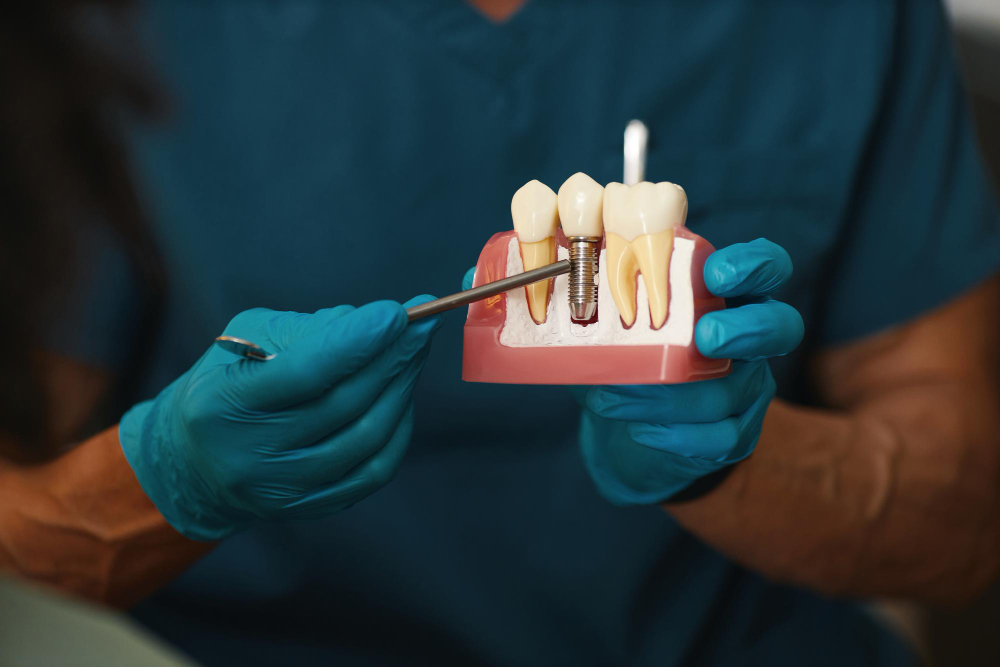
Dental implants are small posts made of strong metal, usually titanium. Dentists place them in your jawbone where the tooth is missing. Over time, the bone grows around the implant and holds it firmly in place. After that, a dentist adds a crown, which looks and works like a real tooth. Unlike dentures, dental implants do not move or slip. Therefore, they offer a stable and lasting way to replace missing teeth.
How Dental Implants Offer Fixed Solutions
Dental implants for restoring missing teeth provide fixed solutions that stay in place. Because they are attached to your jawbone, they do not need to be removed for cleaning. Instead, you brush and care for them like natural teeth. With dental implants, you can eat, speak, and smile with confidence. In addition, they help keep your jawbone healthy by giving it support, just like real teeth do.
The Dental Implant Procedure: Step by Step
The dental implant procedure takes several steps, but each one is important for success. Here is what you can expect:
Because the dental implant procedure is done in steps, it gives your mouth time to heal and adjust.
Who Is a Good Candidate for Dental Implants?
Not everyone can get dental implants, but many people are good candidates. You may be a good fit if you:
However, your dentist will check your mouth and health history to make sure dental implants are right for you.
Benefits of Dental Implants Over Other Options
Dental implants offer many benefits compared to other ways of replacing teeth. For example:
Because of these benefits of dental implants, many people choose them as a fixed dental implant solution for missing teeth.
Caring for Dental Implants
Proper care helps your dental implants last a long time. Although implants do not get cavities, the gums around them need to stay healthy. For best results, follow these tips:
With good care, dental implants can last for many years and keep your smile healthy.
Preventing Tooth Loss: Tips for Oral Health
While dental implants for restoring missing teeth are effective, it is always better to prevent tooth loss. To keep your teeth healthy, try these tips:
Because good oral care can prevent many problems caused by missing teeth, it is important to make these habits part of your daily routine.
Conclusion
If you are thinking about dental implants or have missing teeth, Dr. Nischitha N can help. Book a consultation today to discuss your options and restore your smile with confidence.