
Introduction
Conventional dental implants are a common way to replace missing teeth. Many people choose them because they look and feel like natural teeth. In fact, the dental implant procedure is safe and effective for most adults. If you want to know how dental implants work, what dental implant benefits you can expect, or the risks of dental implants, this guide will help. According to the CDC and dental journals, implants are now widely used around the world.
What Are Conventional Dental Implants?
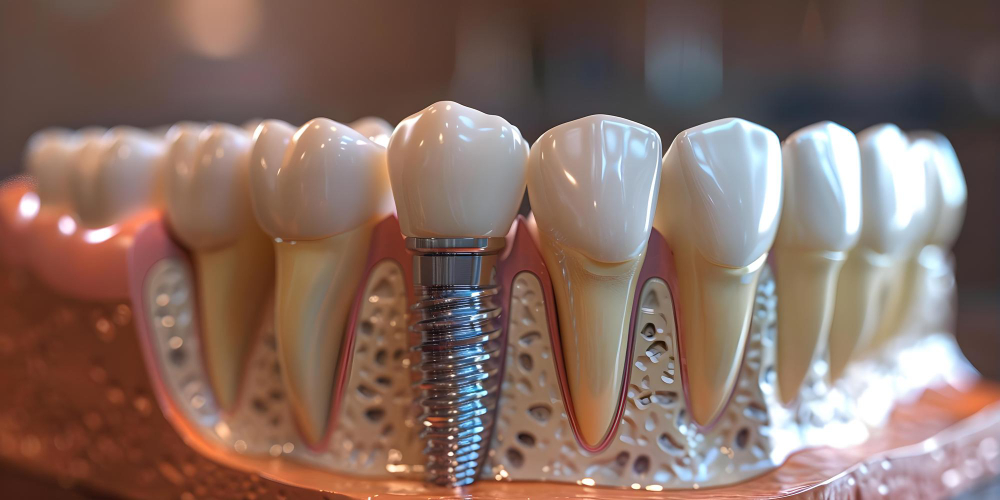
Conventional dental implants are small metal posts, usually made of titanium. Dentists place them into the jawbone to act as roots for new teeth. Unlike mini implants or removable dentures, conventional implants are fixed in place. This means they do not move when you eat or talk. While other types of implants may be smaller or used for special cases, conventional dental implants are the most common choice for adults who have enough healthy bone.
Who Needs Conventional Dental Implants?
Many people can benefit from dental implants. For example, you may need them if you:
Sometimes, your dentist may suggest other options if you have certain health problems. However, most healthy adults are good candidates for conventional dental implants.
The Dental Implant Procedure
Getting conventional dental implants takes several steps. First, your dentist will check your mouth and take X-rays. Next, they will place the implant post into your jawbone. After that, you need to wait a few months for the bone to heal around the implant. This process is called osseointegration. Once healing is complete, your dentist will attach a small connector and then place a new tooth (crown) on top. Each step is important for a strong and lasting result.
Benefits of Conventional Dental Implants
Conventional dental implants offer many advantages. For instance, they:
Additionally, dental implant benefits include improved comfort and better oral health. According to the WHO, implants can greatly improve quality of life for people with missing teeth.
Risks and Possible Complications
Although dental implants are safe for most people, there are some risks. For example, you might have:
However, you can lower these risks by choosing an experienced dentist and following all care instructions. The CDC notes that good oral hygiene is key to preventing problems.
Recovery and Aftercare
After your dental implant procedure, you will need time to heal. Usually, most people feel better within a few days. Still, it is important to follow your dentist’s advice. For best results, you should:
In addition, let your dentist know if you notice pain or swelling that does not go away. Quick action can help prevent bigger problems.
Prevention and Maintenance
To keep your dental implants healthy, you need good daily care. For example, you should:
With the right care, conventional dental implants can last for many years. Regular dental visits help spot any issues early. This way, you can enjoy a healthy smile for a long time.Consult Dr Nischitha N for implants