
What Are Dental Crowns?
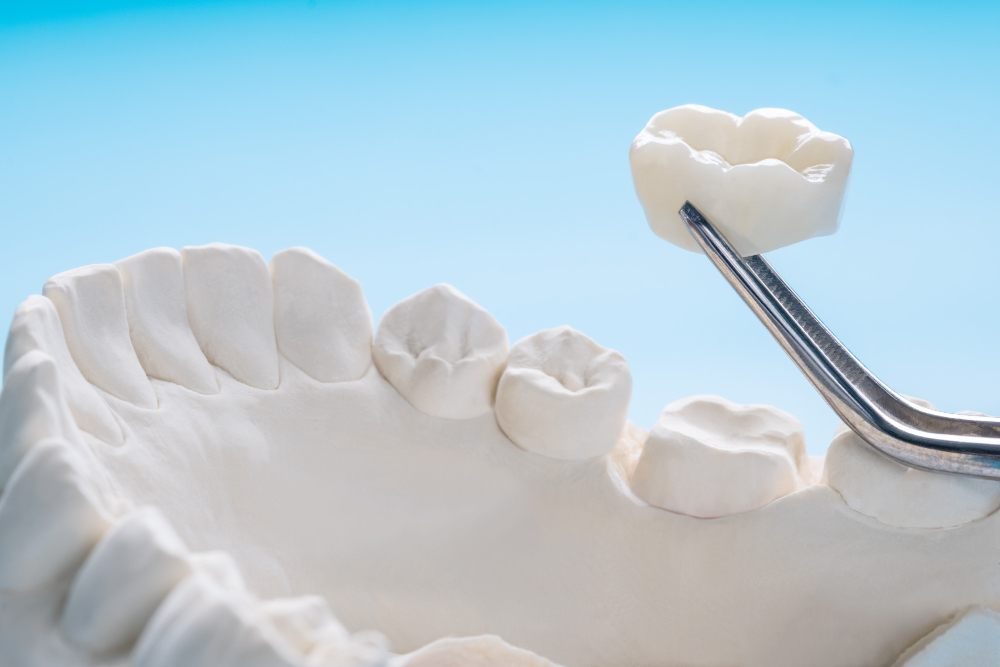
Dental crowns are tooth-shaped covers placed over weak or damaged teeth. These crowns help restore the tooth’s shape, size, and strength. In many cases, dental crowns also improve how a tooth looks. Dentists use crowns as a common tooth restoration option. According to the American Dental Association, crowns protect teeth and help them last longer.
Types of Dental Crowns
There are several types of dental crowns. Each type uses different materials and offers unique benefits. For example, some crowns look more natural, while others are very strong. Here are the main types of dental crowns:
Choosing the right type depends on your needs, budget, and where the crown will be placed.
Common Uses of Dental Crowns
Dental crowns serve many purposes in tooth restoration. Often, dentists recommend them for the following reasons:
For many people, dental crowns are a key part of their tooth restoration options.
Benefits of Dental Crowns for Tooth Restoration
Dental crowns offer several benefits. First, they protect weak or damaged teeth from breaking. In addition, crowns restore the tooth’s function, so you can chew and speak normally. Here are some main dental crown benefits:
According to dental experts, crowns are a reliable way to restore teeth and improve oral health.
How Dental Crowns Are Placed
The dental crown procedure usually takes two visits. During the first visit, your dentist examines the tooth and prepares it. Next, they shape the tooth and take an impression. This impression helps make a crown that fits perfectly. Sometimes, a temporary crown is placed while the final crown is made.
At the second visit, your dentist removes the temporary crown. Then, they check the fit and color of the new crown. If everything looks good, the dentist cements the crown in place. After the procedure, you can use your tooth as normal.
Caring for Dental Crowns
With good care, dental crowns can last many years. However, it is important to keep your mouth healthy. Here are some tips for caring for dental crowns:
Because crowns can still get cavities at the edge, good oral hygiene is key.
Potential Risks and Considerations
Although dental crowns are safe, there are some risks to consider. For example, some people may feel sensitivity to hot or cold foods. Sometimes, the crown may chip or become loose. Rarely, an allergic reaction to the crown material can happen.
In some cases, the tooth under the crown can still get a cavity. Therefore, it is important to follow your dentist’s advice and care for your crown. If you notice pain, swelling, or the crown feels loose, contact your dentist right away.
Frequently Asked Questions About Dental Crowns
For more information, about dental crowns and tooth restoration options consult Dr Nischitha N.